How Shockwave Therapy Is Used in Sports Medicine
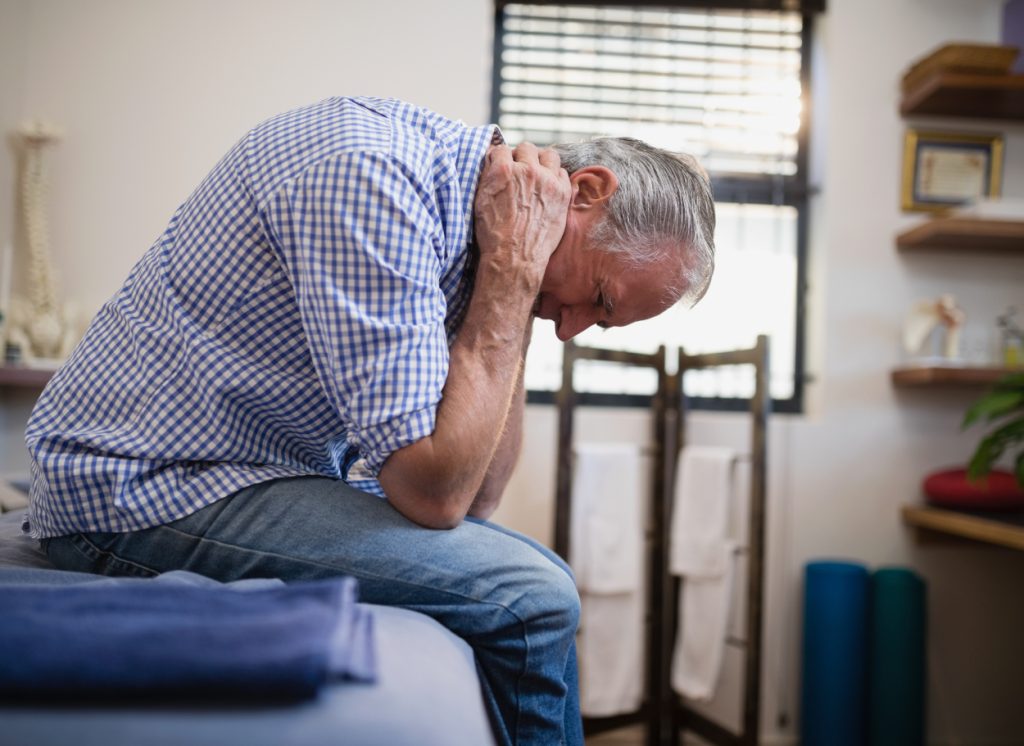


Sports medicine rarely has the luxury of simple injuries. The painful Achilles tendon in a runner may not be inflamed in the classic sense. The stubborn lateral elbow pain in a tennis player may have less to do with acute tissue damage and more to do with a failed healing response. The plantar heel pain that keeps a footballer limping through warmups may persist long after rest, stretching, and shoe changes. This is the space where shockwave therapy has earned a place.
Shockwave Therapy is not new, and it is not magic. It sits in that useful middle ground between passive symptom relief and more invasive interventions. In the right patient, at the right stage of injury, it can help restart healing in tissue that has become chronically painful and mechanically weak. In the wrong patient, or used too early, it can disappoint. That distinction matters far more than marketing language.
In sports medicine practice, shockwave therapy is most often used for chronic tendinopathies and certain enthesopathies, conditions where tendon or fascia meets bone and healing has stalled. It is far less about treating every pain problem and more about selecting a narrow group of athletes who fit the clinical pattern.
What shockwave therapy actually is
Shockwave therapy uses acoustic waves delivered through the skin into deeper tissues. The device generates pulses of mechanical energy, not electrical shocks despite the name. In clinic, patients usually feel a series of rapid taps or impacts over the injured area. The sensation ranges from mildly uncomfortable to quite intense, depending on the body part, the energy setting, and how irritable the tissue is that day.
Two broad forms are used in practice: focused shockwave and radial shockwave. Focused systems deliver energy more precisely and can reach deeper tissues. Radial systems disperse pressure waves more broadly and are often used for more superficial structures. Both are seen in sports medicine settings, and both can be appropriate, but they are not interchangeable in every case. A clinic that treats a calcific shoulder tendon problem may lean toward focused treatment. A clinic seeing a steady stream of plantar fasciopathy or patellar tendon pain may work effectively with either system, depending on protocol and operator skill.
The treatment goal is not simply to numb pain. The working theory is that these acoustic waves stimulate biological activity in tissue that has become disorganized and slow to repair. Proposed effects include improved local blood flow, changes in pain signaling, stimulation of cellular activity involved in tendon remodeling, and in some cases disruption of calcific deposits. Sports medicine clinicians do not need to oversell the mechanism to use it well. The practical question is simpler: does this treatment, combined with a loading program and activity management, help the athlete return to function?
Where it fits in the sports medicine toolkit
A common mistake is to think of shockwave therapy as a stand-alone fix. It almost never should be. Most chronic tendon problems are load management problems with a biological lag. The athlete asks too much of a tissue that is already underperforming, then backs off just enough to get by, then ramps up again when symptoms settle. That cycle can drag on for months.
Shockwave therapy fits best when a tendon or fascia has remained painful despite sensible first-line care. That usually means the athlete has already tried some combination of relative rest, progressive strengthening, footwear or equipment changes, manual therapy, and a careful return-to-sport plan. If symptoms keep plateauing, shockwave can be used to complement rehab, not replace it.
This point is important because many athletes arrive hoping for a device-driven cure. A basketball player with patellar tendinopathy may feel better after a few sessions, but if he goes straight from pain-limited squats to full-volume jumping drills, the tendon often https://daltonhqxn789.timeforchangecounselling.com/what-are-the-success-rates-of-shockwave-therapy reminds him who is in charge. The therapy can improve the tissue environment and reduce pain enough to make loading possible. The loading is still what restores function.
The injuries most commonly treated
The clearest use cases in sports medicine are chronic tendon and fascia problems, especially those that have lingered beyond the early inflammatory phase. In everyday practice, several diagnoses come up again and again.
Plantar fasciopathy is one of the most common. Athletes describe the classic first-step pain in the morning or heel pain that flares after training and again after sitting. It tends to respond reasonably well when calf flexibility, foot loading, and shoe factors are addressed alongside treatment.
Achilles tendinopathy is another frequent target, particularly the midportion type seen in runners and field sport athletes. These athletes often report stiffness at the start of a run that warms up, then returns later. Insertional Achilles pain can also be treated, though the rehab approach differs and care must be taken with compression-based exercises.
Patellar tendinopathy, sometimes called jumper’s knee, is common in volleyball, basketball, and athletics. It often becomes a long negotiation between training demand and pain tolerance. When heavy slow resistance work and jump-load adjustment are not enough, shockwave may help move things forward.
Lateral epicondylopathy, often called tennis elbow, affects both racquet athletes and non-racquet athletes. It is one of those conditions that can feel deceptively minor yet interfere with gripping, lifting, and technical practice for months.
Calcific tendinopathy of the shoulder is a somewhat different case. Here the treatment may be used not only for pain modulation but also to help break down calcium deposits in the rotator cuff. This tends to be more common in general musculoskeletal practice than in elite field sports, but it still sits within the wider sports medicine landscape.
Proximal hamstring tendinopathy, gluteal tendinopathy, and adductor-related tendon pain are occasionally treated as well, though results can be less predictable and the rehab context matters heavily.
Why some athletes respond and others do not
The best responders are usually athletes with chronic symptoms, localized tenderness, a diagnosis that clearly matches the tissue being treated, and a rehab plan that addresses the underlying load issue. The worst responders are often those with vague pain, highly irritable acute injuries, nerve-related symptoms, or expectations that one modality should solve a complex problem.
Timing matters. A tendon that has been painful for six to twelve months behaves differently from one irritated in the last ten days. Acute injuries often need protection, gradual reloading, and time more than mechanical stimulation. Chronic tendinopathy, especially when it has become degenerative rather than acutely inflamed, is where shockwave is most often considered.
Diagnostic accuracy matters just as much. Medial heel pain is not always plantar fasciopathy. Posterior ankle pain is not always Achilles tendinopathy. A runner with heel pain may have a calcaneal stress injury, fat pad irritation, or nerve irritation. Treat the wrong structure and even a technically perfect session becomes wasted time. In experienced sports medicine settings, the clinical examination comes first and imaging is used when it changes management, not simply because a machine is available.
Then there is athlete behavior, which clinicians learn to factor in quickly. The recreational runner who follows the plan, cuts mileage temporarily, performs loading exercises, and communicates honestly about symptoms often does very well. The competitive athlete who says he has reduced training, then quietly keeps doing speed sessions and plyometrics, may blame the therapy when the real issue is compliance. That is not cynicism, just pattern recognition.
What a treatment course usually looks like
Most treatment plans involve a series of sessions spaced about a week apart, often three to six total depending on the condition and the device being used. Settings vary, and the exact protocol is not universal. Energy level, number of pulses, and the area covered are all adjusted to the tissue, the diagnosis, and the athlete’s tolerance.
The session itself is straightforward. The clinician identifies the painful structure by examination, sometimes confirms the target with ultrasound guidance depending on the body part and setting, applies gel to improve contact, and delivers the pulses over the affected region. Some practitioners work directly over the most tender point. Others treat a broader zone to capture the involved tendon and surrounding insertion. Good treatment is not random tapping until the machine beeps. It is targeted, deliberate, and based on anatomy.
Pain during the session is common. That should not surprise anyone. But there is a difference between tolerable discomfort and treatment that is so intense the athlete cannot relax or complete the prescribed dose. Higher energy does not automatically mean better results. In practice, clinicians often get farther by finding a level the athlete can tolerate consistently over several sessions while maintaining their rehab program.
After treatment, athletes may feel soreness for a day or two. Some describe a bruised sensation. Some feel surprisingly little right away and only notice improvement after the second or third session. It is useful to prepare people for this because immediate dramatic pain relief is not the norm. Shockwave tends to work on a delayed timeline.
The role of rehab around the treatment
This is where outcomes are made or lost. A tendon does not become sport-ready because it hurts less on palpation. It becomes sport-ready when it can handle force, speed, and repetition again.
For that reason, the best sports medicine programs pair Shockwave Therapy with a progressive loading plan. For Achilles tendinopathy, that may start with calf raises and progress to heavier resistance, then hopping and running drills. For patellar tendinopathy, the plan may move from isometrics to heavy split squats, leg press work, and eventually jump tolerance. For plantar fasciopathy, clinicians often combine foot intrinsic work, calf strengthening, plantar fascia loading, and modifications in shoe wear or training surface.
A useful clinical pattern is that pain often settles enough after one or two sessions that the athlete can perform strength work with better quality. That is a valuable window. If the rehab is too timid, the opportunity is lost. If the rehab is too aggressive, symptoms rebound. This is why experienced clinicians watch both pain response and tissue capacity, not just whether the athlete says it feels better today.
In elite sport, there is also scheduling strategy. If an athlete has a competition weekend, some clinicians avoid treatment immediately before it because post-treatment soreness can affect performance. Others schedule earlier in the week and adjust training loads for twenty-four to forty-eight hours. These practical decisions rarely show up in marketing materials, but they shape real-world success.
Conditions where caution is warranted
Not every painful tendon should be treated with shockwave. Acute muscle tears are not typical candidates. Neither are obvious fractures, local infections, or areas with significant nerve sensitivity. If pain is widespread, poorly localized, or associated with neurological symptoms such as numbness or radiating pain, the diagnosis needs more work before anyone reaches for a device.
There are also standard safety considerations. Certain clinicians avoid treatment over open growth plates in younger athletes, over areas of active malignancy, over sites with local infection, or in patients with some bleeding risks. Pregnancy may be a contraindication for some treatment regions and devices. Device manufacturers and governing clinical guidelines differ somewhat, so protocols should reflect current standards and the clinician’s scope.
One common point of confusion is corticosteroid injection history. A tendon recently injected with steroid may be more vulnerable, and the broader management plan needs careful thought. The issue is not just whether shockwave can be applied, but whether the tendon has been biologically weakened and should be protected before being challenged.
What the evidence supports, and what it does not
The evidence base is mixed but meaningful. Shockwave therapy has reasonably good support for several chronic tendon conditions, especially plantar fasciopathy and certain cases of calcific shoulder tendinopathy. Achilles and patellar tendinopathy also show promise, though study designs, devices, and protocols vary enough that broad certainty is hard to claim.
That variability matters. Some studies use focused shockwave, others radial. Some combine treatment with eccentric loading or heavy strength work, others do not. Some include athletes, others include general clinic populations. The result is that evidence supports use in selected conditions, but it does not support the lazy claim that shockwave treats all sports injuries.
Clinically, the pattern is consistent with what many sports medicine practitioners see. It is often helpful for chronic, localized, load-related tendon pain that has not resolved with standard care alone. It is less impressive for acute injuries and less predictable when diagnosis is fuzzy or biomechanics are ignored.
Athletes often ask if it is better than injection. That depends on the condition and the objective. In many chronic tendinopathies, clinicians prefer options that support tendon remodeling and continued loading rather than quick pain suppression with potential tissue trade-offs. That does not make injections obsolete. It means the decision should match the tissue problem and the performance timeline.
What athletes usually want to know
Most conversations in clinic come down to four practical questions: does it hurt, how long does it take, when can I train, and what are the odds it helps?
Yes, it can hurt during treatment, though tolerability is manageable in most cases when settings are adjusted properly. The session itself is brief, often under fifteen minutes for the treatment portion. Training restrictions vary, but many athletes continue modified activity rather than complete rest. Results are rarely immediate. Some feel improvement within two to three weeks, others need the full treatment cycle and concurrent rehab before change becomes obvious.
The odds question is harder because honest clinicians should resist fake certainty. A runner with classic midportion Achilles tendinopathy of eight months’ duration, a clear loading plan, and no major biomechanical red flags has a fair chance of meaningful improvement. A sprinter with diffuse posterior thigh pain, lumbar referral, and a rushed return date does not fit the same profile. Medicine is pattern-based, not promise-based.
A brief look inside a real clinical scenario
Consider a volleyball player with a year of patellar tendon pain. She can still play, but her jump count has dropped and she avoids deep knee loading in the gym. She has tried generic stretches, occasional rest, a patellar strap, and anti-inflammatory medication. Ultrasound shows tendon thickening without rupture. Her pain spikes the morning after tournaments and lingers during stairs and squats.
In this case, shockwave can make sense if it is folded into a structured plan. Treatment targets the tendon over several weekly sessions. At the same time, her rehab shifts from random quad work to a measured heavy slow resistance program, then to landing drills, then to planned jump exposure. Tournament weeks are managed differently from training blocks. Progress is judged not only by pain but by squat tolerance, single-leg decline control, and next-day tendon response.
The athlete often notices that pain during warmup decreases before full jumping confidence returns. That is a useful but incomplete gain. The real win comes when the tendon handles repeated explosive loading without the familiar delayed flare. Shockwave can help create that opening, but the rehab and training decisions carry the finish.
Common misconceptions that deserve to disappear
One misconception is that shockwave breaks up scar tissue in every case. That phrase gets thrown around too easily. In chronic tendon pain, the relevant effects are more nuanced than simply smashing adhesions. Another misconception is that if one session did not change everything, the treatment failed. The response is usually cumulative.
A third misconception is that imaging should always look better if the athlete feels better. Tendons do not always remodel on a timeline visible on ultrasound or MRI, and structural appearance does not perfectly track symptoms. Function, load tolerance, and symptom behavior remain central.
The last misconception is that the device is the treatment. It is not. The treatment is the whole strategy, diagnosis, dosing, tissue loading, competition calendar, and follow-up.
Choosing the right setting and provider
Results depend heavily on clinical judgment. The same machine can produce very different outcomes in different hands. A provider who works regularly with tendon problems, understands sport demands, and knows when not to treat is far more valuable than a clinic that advertises the newest hardware without a coherent rehab process.
Athletes should expect a real assessment before treatment starts. That includes history, physical examination, diagnosis, and a plan for what happens between sessions. If the entire pitch is three to six visits with no conversation about exercise or training modification, that is a warning sign. Tendons are rarely that simple.
It also helps when communication is honest. Some athletes are excellent candidates and should hear that. Others are chasing a shortcut around deconditioning, poor load management, or a misdiagnosed problem. The best sports medicine clinicians are willing to say no, or at least not yet.
Where shockwave therapy is most valuable in modern sports medicine
Its value is not that it replaces old-fashioned rehab. Its value is that it can help unstick chronic cases that otherwise drag on through partial improvement and repeated setbacks. That matters in both elite and recreational sport. A professional athlete may need every advantage to stay available through a season. A recreational runner may simply want to train three times a week without dreading the first ten minutes of every run. Different stakes, same biological challenge.
Shockwave Therapy has earned credibility because, when used thoughtfully, it can shift the trajectory of chronic tendon pain. Not every athlete needs it. Not every clinic uses it well. But in the narrow band where diagnosis is clear, symptoms are persistent, and rehab has stalled, it is one of the more useful adjuncts sports medicine has. The key is not the machine alone. The key is matching the treatment to the tissue, the athlete, and the demands of the sport.
Injury Recovery Center
Address: 14241 E 4th Ave Building 5, Ste. 5-354, Aurora, CO 80011
Phone number: +17203289033
FAQ About Shockwave Therapy
What does shockwave therapy actually do?
Shockwave therapy delivers high-energy acoustic sound waves through the skin to an injured area. This process "wakes up" stubborn, chronic soft-tissue injuries by increasing local blood flow, breaking down calcifications, and triggering the body's natural cellular repair and tissue regeneration mechanisms.
What are the drawbacks of shockwave therapy?
Shockwave therapy can cause temporary pain, skin redness, bruising, swelling, or numbness at the treatment site. It may require multiple sessions, can be costly out-of-pocket because insurance often does not cover it, and is unsafe for pregnant individuals or those with blood-clotting disorders.
Does shock wave therapy really work?
Yes, shock wave therapy (extracorporeal shockwave therapy, or ESWT) works well for specific chronic soft-tissue and bone conditions, showing success rates around 60% to 80% for stubborn issues like plantar fasciitis and tennis elbow when other conservative treatments fail.