Does Shockwave Therapy Work for Long-Standing Pain Conditions?

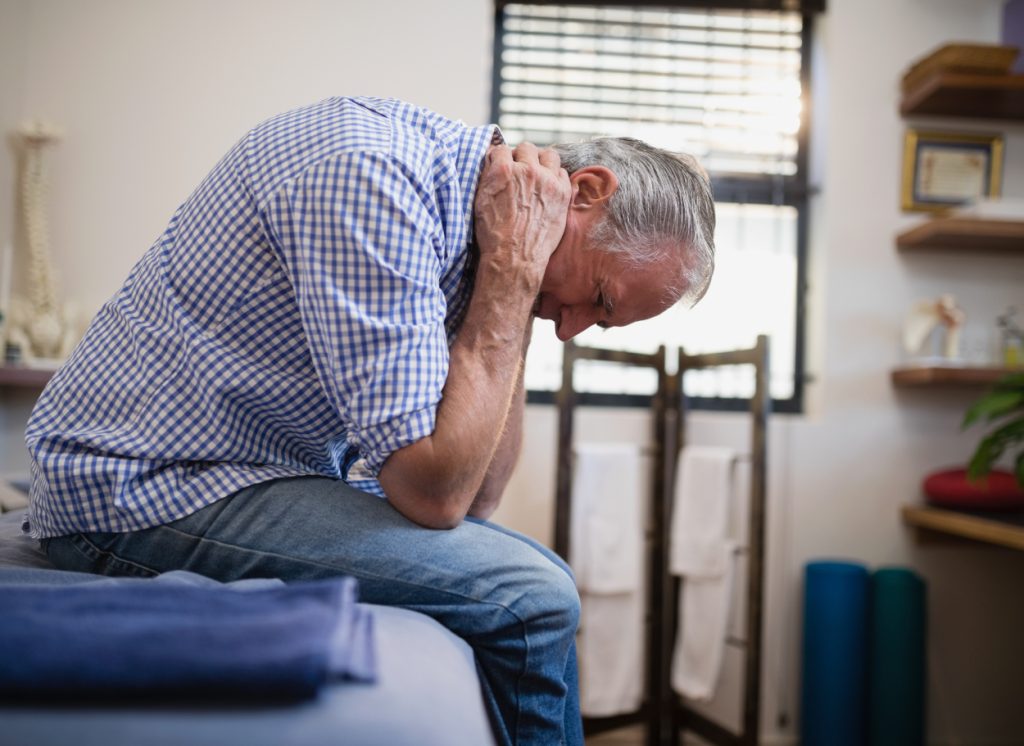
Long-standing pain has a way of changing the conversation. Early on, most people ask, “What happened?” Months later, they ask, “Why is this still here?” By the time pain becomes chronic or stubbornly recurrent, the concern is no longer just tissue irritation. Sleep is affected. Activity shrinks. Confidence drops. People stop trusting the injured area, then start mistrusting treatment itself.
That is where Shockwave Therapy often enters the picture. Usually, it is not the first intervention someone tries. It tends to show up after rest, anti-inflammatory medication, orthotics, stretching plans, strengthening work, massage, injections, or standard physiotherapy have helped only partially, or helped for a while and then stopped helping. The appeal is obvious: it is non-surgical, relatively quick, and aimed at painful tissue that has failed to settle.
The real question is not whether Shockwave Therapy is a miracle fix. It is not. The better question is whether it can meaningfully help the right kind of long-standing pain. In many cases, yes. In others, not much. The difference lies in diagnosis, tissue type, how chronic the problem really is, and whether the treatment is used as part of a broader plan rather than as a stand-alone event.
What Shockwave Therapy is actually trying to do
Shockwave Therapy uses acoustic waves delivered into tissue through a handheld applicator. In practice, that means short bursts of mechanical energy applied to a painful area, usually over a series of sessions. The treatment can feel intense, especially over bony landmarks or highly tender tendon insertions, but it is brief and usually tolerable when dosed properly.
The common misunderstanding is that shockwave “breaks up scar tissue” in a simple mechanical sense. That description is catchy, but it is too crude. What clinicians are really trying to do is stimulate a biological response in tissue that has stalled. Chronic tendinopathy, plantar heel pain, calcific shoulder pain, and certain enthesopathies often do not behave like fresh injuries. They can become metabolically sluggish, structurally disorganized, and persistently painful without obvious active inflammation. Shockwave is thought to encourage remodeling, improve local blood flow, alter pain signaling, and nudge tissue out of that non-healing state.
That distinction matters because long-standing pain is not one thing. Chronic Achilles tendinopathy is not the same as low back pain that began after years of poor sleep and work stress. A painful tennis elbow is not the same as widespread fibromyalgia. When Shockwave Therapy works, it tends to work best where the tissue problem is relatively local, mechanically loaded, and well matched to the treatment.
The kinds of pain conditions where results are most credible
In day-to-day musculoskeletal practice, the strongest candidates are chronic tendon and tendon-bone interface problems. Plantar fasciopathy is the classic example. People often call it plantar fasciitis, but many persistent heel pain cases are no longer primarily inflammatory. The tissue under the heel becomes degenerative and irritable, especially with the first steps in the morning or after sitting. Shockwave has a decent track record here, particularly when the pain has lasted several months and simpler measures have not solved it.
Achilles tendinopathy is another condition where Shockwave Therapy can be useful, especially insertional Achilles pain, though the response is variable. Some patients notice a reduction in morning stiffness within a few weeks. Others feel little change until the later sessions, then gradually improve over two to three months. Tennis elbow, or lateral epicondylalgia, is also a common target. If symptoms have lingered despite load management and strengthening, shockwave may help reduce pain enough for exercise to become more effective again.
Calcific tendinopathy of the shoulder deserves special mention. This is one of the more satisfying uses when imaging confirms calcium deposits in the rotator cuff. People can have severe night pain and painful overhead movement for months. Shockwave is not magic here either, but in selected cases it can reduce symptoms and may help the body resorb the deposit over time. When it works, the change can be substantial.
Other areas sometimes treated include patellar tendinopathy, greater trochanteric pain syndrome, proximal hamstring tendinopathy, and some cases of medial tibial stress syndrome. Results are more mixed in these conditions, partly because diagnosis is often less clean and multiple structures may be involved.
The pattern is pretty consistent. The better the diagnosis, the better the odds that Shockwave Therapy has a fair chance. Vague pain that moves around, pain driven mostly by nerve sensitivity, or pain tied closely to systemic illness tends not to respond nearly as well.
Why chronic pain is harder to treat than acute pain
A fresh sprain or strain usually follows a recognizable injury, then moves through a fairly predictable healing timeline. Chronic pain often does not. Tissue changes can linger, but so can guarding, altered movement, fear of loading, reduced conditioning, poor sleep, and central sensitization, where the nervous system becomes more reactive than the original tissue damage would suggest.
That is why no responsible clinician should describe Shockwave Therapy as a cure for chronic pain in general. It is a local treatment. Chronic pain can be local, regional, or system-wide. If a person has had heel pain for a year and the diagnosis is straightforward plantar fasciopathy, a local treatment may make sense. If someone has diffuse pain in multiple joints, severe fatigue, unrefreshing sleep, and high pain sensitivity, local shockwave to one sore area may miss the larger driver.
This is also why some people say shockwave did nothing for them, while others swear by it. They may have received the same device and the same number of sessions, but they were not treating the same kind of problem.
What the evidence suggests, without overselling it
The research base for Shockwave Therapy is respectable for several chronic tendon-related conditions, but it is not neat. Studies differ in device type, energy settings, number of sessions, treatment intervals, and whether exercise was added. That makes broad claims difficult. Still, there are patterns strong enough to guide practice.
For plantar heel pain, medium-term outcomes are often favorable, particularly in persistent cases. For calcific shoulder tendinopathy, evidence is also reasonably encouraging, especially with focused shockwave in appropriate settings. For tennis elbow and Achilles tendinopathy, results are mixed but often positive enough that the treatment remains a legitimate option when standard care has fallen short.
What does “positive enough” mean in real life? Usually not instant pain relief. More often it means a moderate improvement in pain and function over several weeks to a few months. A patient who rates pain at 7 out of 10 may drop to 4, then be able to resume strengthening, walking, or sport-specific drills. That may not sound dramatic on paper, but for someone who has been stuck for nine months, it can be the turning point.
The key is expectation. If someone comes in hoping to leave pain-free after one session, disappointment is likely. If they understand that the treatment may create a short-lived pain flare, that progress is usually gradual, and that tissue loading still matters, the experience tends to go much better.
What treatment feels like, and what the timeline usually looks like
Most protocols involve three to six sessions, often spaced about a week apart, though this varies by clinic and device. The clinician applies gel to the skin, places the applicator over the painful region, and delivers a set number of pulses. The first few minutes usually tell you how irritable the area is. Thick plantar fascia under the heel can be sharply tender. An old tennis elbow often produces a deep, toothache-like discomfort during treatment. Calcific shoulder pain can feel more diffuse and achy.
People frequently ask whether the treatment should hurt. Some discomfort is common, but more is not always better. Excessively aggressive dosing can sour a patient on a therapy that might otherwise have helped. Good clinicians titrate intensity. They know the difference between therapeutic discomfort and a treatment that simply overwhelms the patient.
Afterward, the area may feel bruised, warm, or temporarily more painful for a day or two. That is not unusual. What matters is the trend over the next several weeks. Some patients feel small changes after the second or third session. Others feel nothing until treatment ends, then gradually notice less morning pain, easier stair climbing, or improved tolerance for activity.
A practical timeline looks something like this:
- Early phase, often the first one to two weeks, the area may feel the same or slightly more irritated.
- Middle phase, often around weeks three to six, small shifts appear, such as less stiffness or better tolerance for daily tasks.
- Later phase, often six to twelve weeks, function improves more clearly if the tissue is also being loaded appropriately.
- Plateau or reassessment point, if there is little to no meaningful change by this stage, the diagnosis or plan needs review.
That delayed response is one reason shockwave can be judged unfairly. People expect a treatment room result from a therapy that often behaves more like a biological nudge.
Where Shockwave Therapy tends to disappoint
The biggest disappointments usually happen in three situations. First, the diagnosis was incomplete. What looked like insertional Achilles tendinopathy may actually include a retrocalcaneal bursitis, partial tear, or significant bony irritation. What looked like lateral elbow tendinopathy may be driven by the neck or radial nerve. If the target is wrong, the outcome is often poor.
Second, the treatment is used in isolation. Tendon problems are load problems as much as tissue problems. If a runner with Achilles pain gets shockwave but keeps doing the same hill sprints, in the same worn shoes, while skipping calf strengthening, the treatment is carrying too much of the burden. On the other side, a desk worker with heel pain who gets shockwave but never addresses tight calves, step count spikes, or poor footwear may improve only briefly.
Third, the pain condition is not mainly a local tissue issue. Central sensitization, inflammatory arthritis, neuropathic pain, and referred pain patterns often need a very different strategy. Patients in these categories sometimes spend a lot of money on local treatments because the painful spot is obvious, even though the driver sits elsewhere.
The role of exercise, and why it matters more than many people want to hear
There is a reason experienced sports medicine clinicians rarely talk about Shockwave Therapy without also talking about loading. Chronic tendon tissue responds to mechanical demand, but it needs the right amount, at the right stage. Too little load and it stays deconditioned. Too much and it stays reactive.
For plantar heel pain, that might mean calf work, intrinsic foot strengthening, temporary taping, and adjustments to walking volume. For Achilles tendinopathy, it often means staged calf raises, progressing from bodyweight to heavier resistance, with careful attention to irritability. For tennis elbow, forearm and shoulder work usually matter more than people expect. If shoulder blade control is poor and grip loads are unmanaged, elbow pain tends to recycle.
One of the most common clinical patterns is this: shockwave reduces pain enough that the patient can finally tolerate the rehab they should have been able to do earlier. In that sense, the treatment is not replacing exercise. It is creating a window where exercise becomes possible and productive.
Who might be a good candidate
Not every chronic pain patient needs Shockwave Therapy, but certain features make it more reasonable to consider.
- Pain has lasted several months and fits a tendon, fascia, or calcific shoulder pattern.
- Conservative care has been tried consistently, but progress has stalled.
- The painful area is fairly localized and reproducible.
- Imaging, when used, supports the clinical picture rather than confusing it.
- The person is willing to combine treatment with a structured loading plan.
These are not rigid rules, but they reflect the cases that tend to do best. Someone who wants a passive fix while keeping the same aggravating pattern is a weaker candidate than someone prepared to modify load and work through a rehab progression.
Safety, side effects, and when it should not be used casually
Shockwave Therapy is generally safe when applied appropriately, but “non-invasive” should not be confused with trivial. The treatment can be painful during application, and post-treatment soreness is common. Bruising, skin irritation, and temporary symptom flare-ups happen. Rarely, an already irritable tendon can react strongly enough that loading has to be dialed back for a while.
There are also standard cautions. Areas with active infection, local malignancy, significant clotting disorders, or certain vascular and neurological concerns need careful screening. Open growth plates and pregnancy may alter decision-making depending on the area being treated and the device used. Direct application over some sensitive structures also demands judgment. These are ordinary clinical safety issues, but they matter, especially in settings where shockwave is marketed more aggressively than it is evaluated.
One practical issue that often gets overlooked is dosage. Not all devices are the same. Radial and focused systems behave differently, and even within those categories settings can vary widely. Patients often compare experiences as if shockwave were one standardized thing, but it is not. A low-dose radial session from a general wellness clinic is not necessarily comparable to a focused shockwave protocol in a sports medicine or orthopedic setting.
Cost, value, and whether it is worth trying
Cost matters because Shockwave Therapy is often paid out of pocket. A full course can be a meaningful expense, especially if several sessions are recommended and the patient is also paying for assessment and rehabilitation visits. So the question becomes less “Does it ever work?” and more “Is it https://maps.app.goo.gl/1sdKoNoHZSmUaJp88 worth this person’s time and money right now?”
That answer depends on context. If someone has classic plantar heel pain for eight months, has already tried sensible footwear changes, calf mobility, gradual loading, and activity modification, shockwave may be a reasonable next step before considering more invasive options. If the diagnosis is muddy and no one has yet built a coherent rehab plan, paying for shockwave first is often premature.
A good clinic will not sell the treatment as a package before making the diagnosis earn its keep. They should explain why they think shockwave fits, what response is realistic, what else needs to happen around it, and what the backup plan is if it fails. That kind of conversation is a better sign than any glossy promise of “fast relief.”
What I have seen in persistent cases
The patients who do best are rarely the ones looking for a miracle. They are usually the ones who understand that recovery can be layered. A runner with proximal hamstring pain might need shockwave to calm a stubborn tendon, strength work to rebuild capacity, and a temporary change in training structure to stop provoking the area every forty-eight hours. A teacher with plantar heel pain may improve when shockwave is paired with footwear changes and a plan for pacing long days on hard floors. A recreational tennis player with lateral elbow pain often needs shoulder and grip-load work just as much as local treatment.
The less successful cases usually teach the same lesson. If the pain source is broader than the sore spot, local treatment has a ceiling. If the person cannot modify the aggravating load, progress stalls. If expectations are set at “I’ll know after one session,” they often abandon the plan before tissue has had time to respond.
One memorable pattern is the patient who says after the second session, “It feels no different,” then comes back three weeks later saying, “I only just realized I’m not limping to the bathroom in the morning anymore.” Chronic pain often improves in quiet, unglamorous ways first. Better first steps. Easier stairs. Less guarding when rising from a chair. Those are not small wins. They are usually the beginning of larger ones.
So, does it work?
For the right long-standing pain conditions, yes, Shockwave Therapy can work, and sometimes very well. It is most persuasive in chronic tendon-related and fascia-related problems, especially when the painful area is localized, the diagnosis is sound, and the treatment is paired with smart rehabilitation. It is far less reliable when pain is diffuse, heavily sensitized, referred from elsewhere, or poorly defined.
That may sound less exciting than the marketing copy attached to some machines, but it is far more useful. Shockwave is not a universal answer for chronic pain. It is a specific tool for specific problems. Used thoughtfully, it can help break a long plateau. Used indiscriminately, it becomes another expensive chapter in a frustrating story.
For patients and clinicians alike, the most honest position is this: if the condition fits, if the expectations are realistic, and if rehab is built around it, Shockwave Therapy is a legitimate option for long-standing pain. Not the whole answer, but often a meaningful part of one.
Injury Recovery Center
Address: 14241 E 4th Ave Building 5, Ste. 5-354, Aurora, CO 80011
Phone number: +17203289033
FAQ About Shockwave Therapy
What does shockwave therapy actually do?
Shockwave therapy delivers high-energy acoustic sound waves through the skin to an injured area. This process "wakes up" stubborn, chronic soft-tissue injuries by increasing local blood flow, breaking down calcifications, and triggering the body's natural cellular repair and tissue regeneration mechanisms.
What are the drawbacks of shockwave therapy?
Shockwave therapy can cause temporary pain, skin redness, bruising, swelling, or numbness at the treatment site. It may require multiple sessions, can be costly out-of-pocket because insurance often does not cover it, and is unsafe for pregnant individuals or those with blood-clotting disorders.
Does shock wave therapy really work?
Yes, shock wave therapy (extracorporeal shockwave therapy, or ESWT) works well for specific chronic soft-tissue and bone conditions, showing success rates around 60% to 80% for stubborn issues like plantar fasciitis and tennis elbow when other conservative treatments fail.